Why Riders Often Feel Like They’re Not Improving
Why Riders Often Feel Like They’re Not Improving
At some point, almost every rider has had the same thought:
“Why does it feel like I’m not getting any better?”
You have lessons.
You ride regularly.
You try to apply what you’re learning.
And yet sometimes it still feels like progress is slow, or even nonexistent.
This feeling is incredibly common among amateur riders. But in many cases, the problem isn’t a lack of progress.
It’s how our brains interpret it.
Progress in Riding Is Often Invisible
Horse riding is a complex skill.
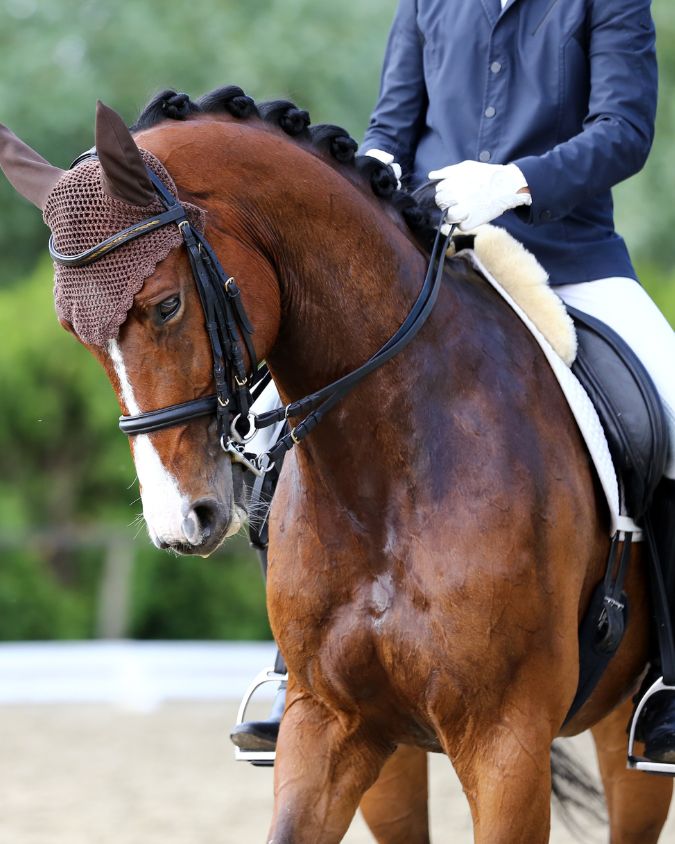
Improvement doesn’t usually happen in dramatic leaps. Instead, it tends to appear gradually through small adjustments:
slightly better balance
clearer communication with your horse
improved timing
more consistent rhythm
better acceptance of the aids
These changes are often subtle. When you’re the one riding every week, they can be difficult to notice.
From the outside, however, instructors and experienced riders often see progress much more clearly.
This is because improvement in riding usually happens quietly, in small layers that build over time.
Your Brain Naturally Focuses on Mistakes
Human brains have a natural tendency to notice problems more easily than successes.
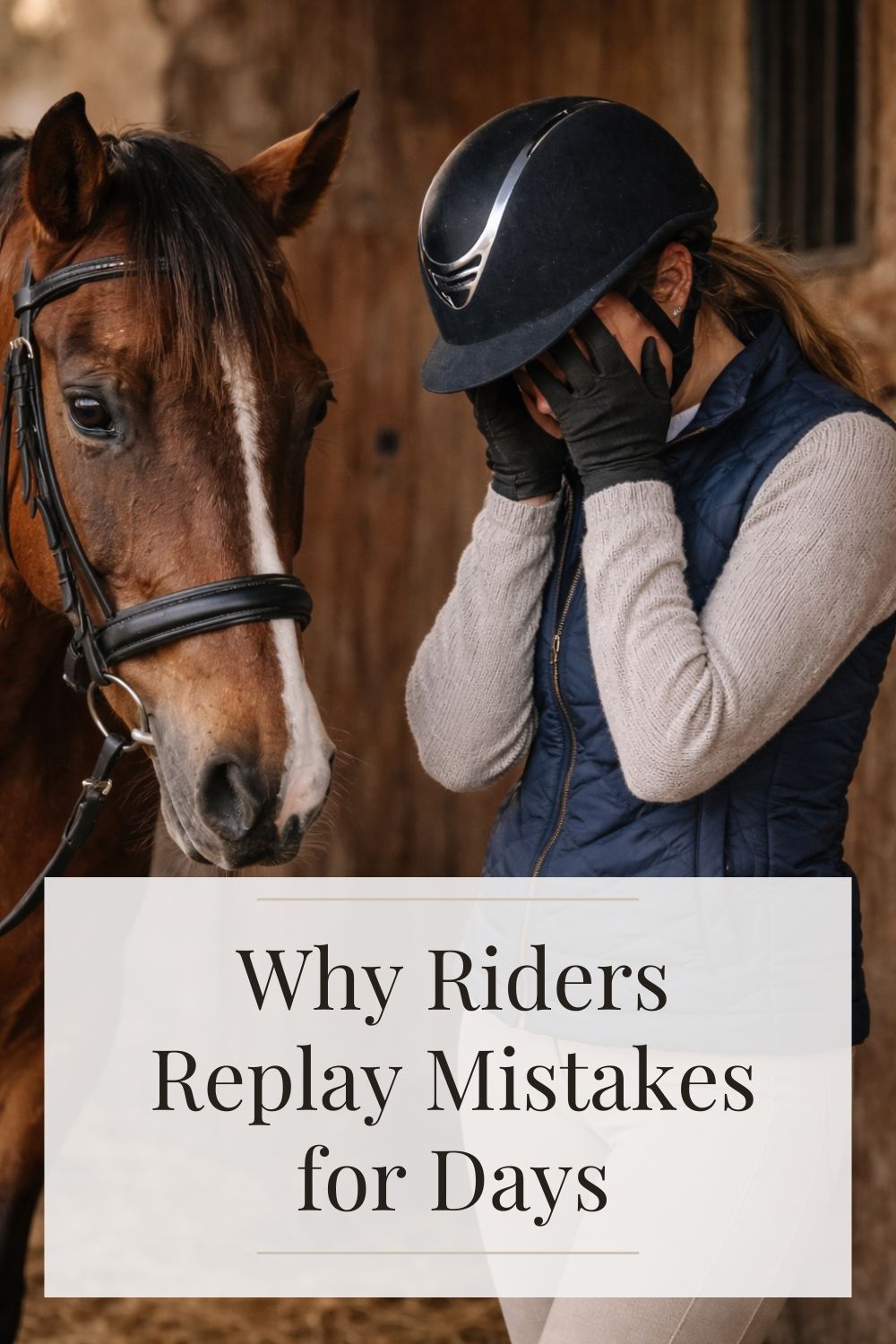
In riding, this often means we remember:
the pole that fell
the transition that didn’t work
the moment the distance didn’t appear
That's because our minds are actually trying to protect us from danger (a good thing sometimes!) but it can be a little too much of a high achiever, especially when riding is concerned 😆.
Meanwhile, we forget the many things that went well when we rode.
This can create the impression that we’re stuck or not improving, even when the overall trend is positive. But that can be difficult to see sometimes, unless we actively track our progress so we can then look back and realise how far we have actually come. This is where journaling is brilliant.
Many riders also replay mistakes long after a ride has finished. If this sounds familiar, you might find this article helpful:
Why Horse Riders Replay Mistakes for Days
Progress Rarely Feels Linear
Another reason riders feel stuck is because progress in riding rarely follows a straight line.
Some weeks feel great.
Other weeks feel frustrating.
A new exercise might temporarily make your riding feel worse while you’re learning a new skill.
For example:
improving your position may initially make your horse feel different or you feel awkward
learning to ride more forward may temporarily feel less controlled
adjusting your contact may feel weird at first
These periods can make riders feel like they’re going backwards when they’re actually learning something new.
Riding Is a Long Game
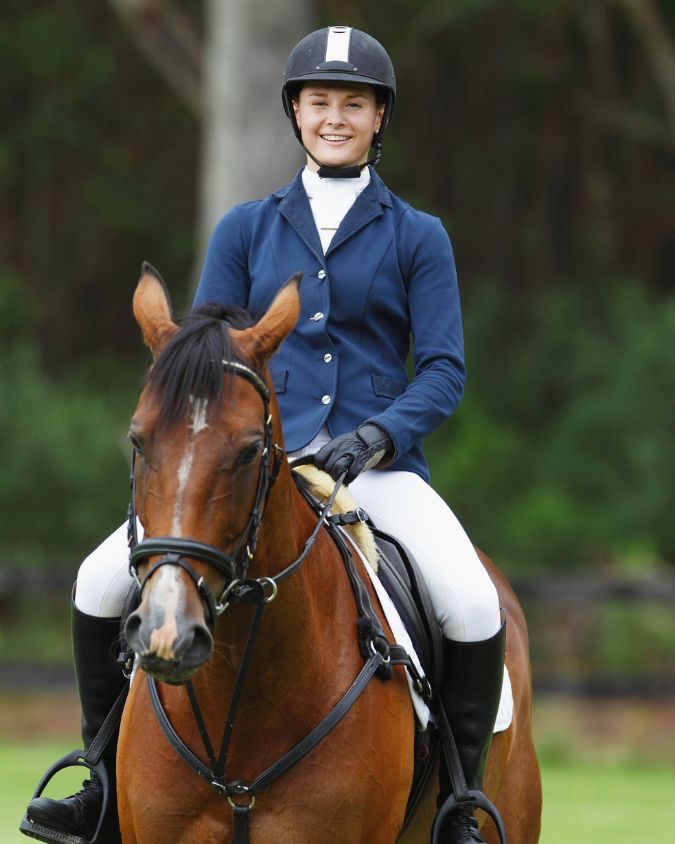
Unlike many sports, horse riding involves two learners: the rider and the horse.
Both bring their own strengths, limitations, and learning timelines.
Progress depends on many factors:
the horse you ride
how often you ride
the exercises you practice
your confidence and mindset
Because of this, progress in riding is often measured over months and years rather than days or weeks.
The riders who improve the most are rarely the ones who chase quick results. They are the ones who stay patient and consistent over time.
Small Improvements Matter More Than You Think
When riders feel stuck, it can help to look for smaller indicators of progress.
For example:
a fence that used to feel intimidating now feels doable
a transition that was once difficult is starting to improve
your horse responds more quickly to your aids
you recover from mistakes more calmly
These moments might seem small, but they are often the clearest signs that your riding is evolving.
Confidence also grows through these small experiences.
One Habit That Helps Riders See Progress
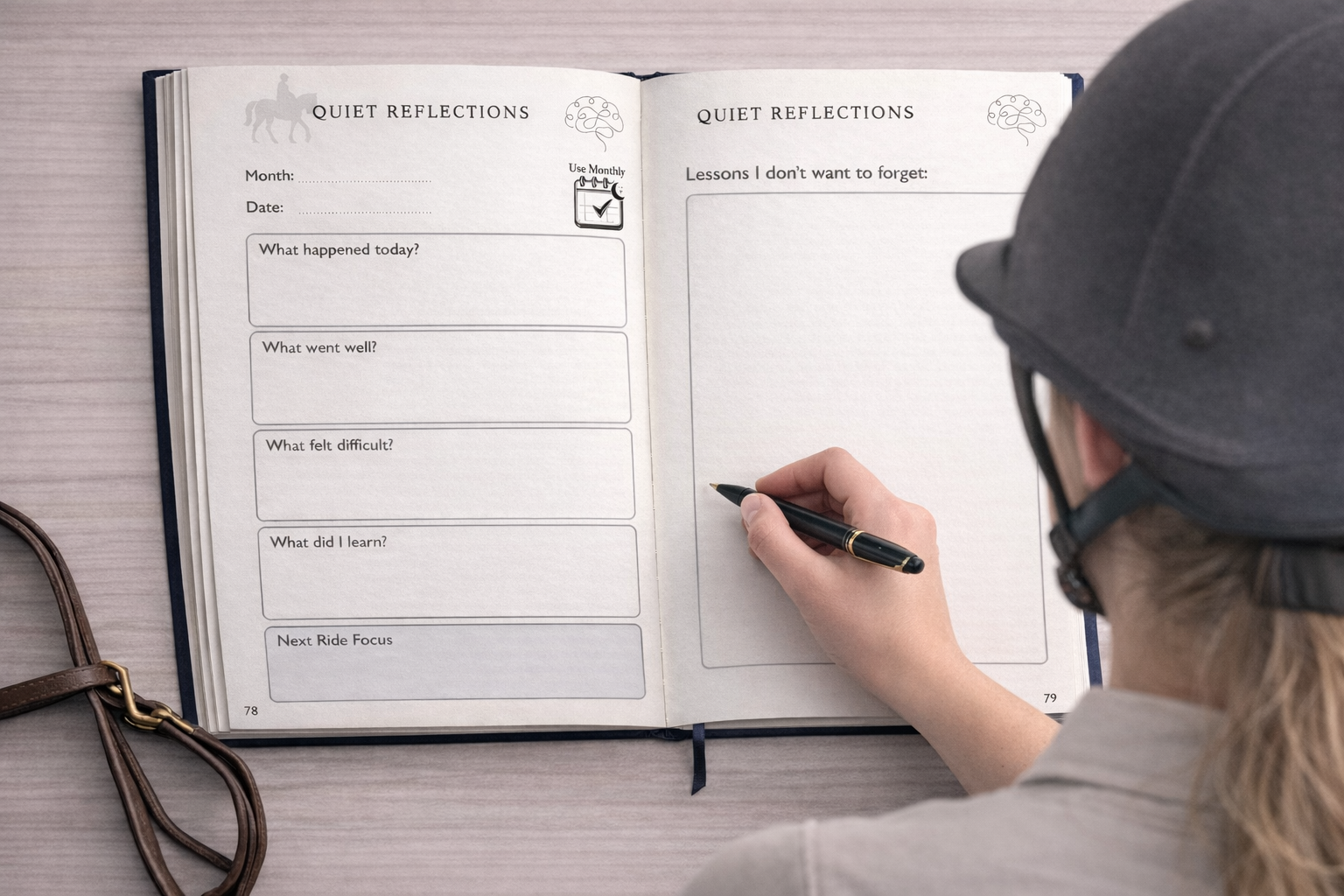
One of the most effective ways to notice improvement is simply to record what happens in your rides.
When riders take a few minutes to reflect after riding, they often begin to see patterns:
exercises that are improving
skills that need more work
moments that felt successful
Over time, these reflections create a much clearer picture of progress than memory alone.
Without this habit, many riders remember only the mistakes and forget the gradual improvements happening over weeks and months.
A Different Way to Think About Progress
If riding sometimes feels slow or frustrating, it can help to remember that improvement rarely happens all at once.
It happens through many ordinary rides that slowly build new skills.
The riders who eventually become confident and capable aren’t the ones who improve instantly.
They’re the ones who stay curious, patient, and consistent long enough to see those small improvements accumulate.
A Final Thought
If you ever feel like you’re not improving, consider this possibility:
You might simply be too close to your own progress to see it clearly.
Riding is a long journey.
And often, the progress you’re making today becomes much more visible when you look back a few months later.
Key Takeaways
Progress in horse riding is often gradual and difficult to notice from one ride to the next.
Our brains naturally remember mistakes more easily than improvements.
Feeling like you’re not improving doesn’t necessarily mean you aren’t.
Progress in riding rarely happens in a straight line — some rides will feel better than others.
Small improvements in balance, timing, and communication with your horse are often the real signs of development.
Taking time to reflect on your rides can help you recognise progress that might otherwise go unnoticed.