How to Rebuild Riding Confidence After a Bad Day in the Saddle
How to Rebuild Riding Confidence After a Bad Day in the Saddle
Every rider has had a ride they wish they could redo.
A round where nothing seemed to come together.
A lesson that felt frustrating.
A moment where your confidence suddenly dropped.
Sometimes these rides stay in your mind long after you leave the arena.
You replay the mistakes.
You wonder what you should have done differently.
You start to question your ability.
But one bad day doesn’t define your riding.
And more importantly, it doesn’t have to define your confidence either.
Many riders believe confident riders never feel nervous or make mistakes. In reality, confidence works very differently. If you're interested in this idea, you may enjoy reading The Confidence Myth Most Riders Believe.
Why Bad Rides Affect Confidence So Strongly
Horse riding is personal.
You’re not just performing a skill — you’re working with another living being. When something goes wrong, it can feel emotional as well as technical.
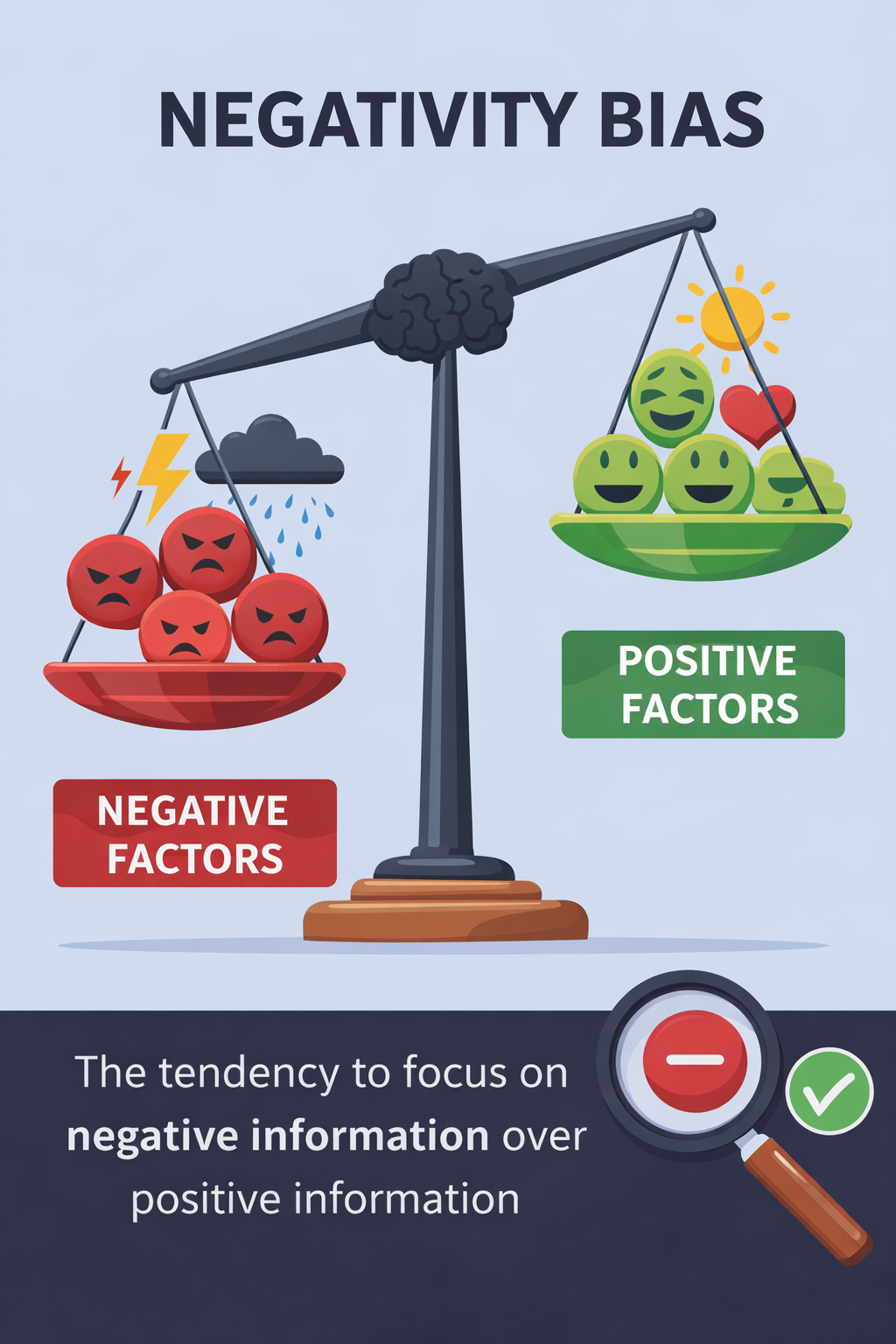
Your brain also has a natural tendency to focus on problems.
Psychologists call this negativity bias. Our brains are wired to notice mistakes more easily than successes. It does this to try and keep us safe.
So after a difficult ride, your mind may automatically replay the moments that didn’t go well.
A missed distance.
A not-so-good transition.
A pole down.
Meanwhile, the parts of the ride that went well often fade into the background.
This can quickly create the feeling that the entire ride was bad, even if that isn’t the full story.
Step 1: Separate the Facts from the Story
One of the most helpful things you can do after a difficult ride is to separate what actually happened from the meaning your brain attaches to it.
For example:
Fact:
You had a pole down.
Story:
“I always mess this up.”
Fact:
Your horse became a bit tense in a transition.
Story:
“I’m not good enough.”
When we attach negative meaning to mistakes, confidence drops quickly. But when we treat mistakes as information, they become much easier to work with.
Instead of asking:
“What does this say about me?”
Try asking:
“What can I learn from that moment?”
This small shift can change how your brain processes the experience.
Step 2: Look for the Rest of the Ride

After a bad ride, it’s easy to focus on the one moment that didn’t go well.
But most rides contain far more than that single mistake.
Ask yourself:
What went better than last week?
Did my horse feel more balanced anywhere?
Was there a fence or movement that improved?
Did I ride anything more confidently?
Even difficult rides often contain useful progress.
Recognising these moments helps your brain maintain perspective.
Step 3: Give Your Brain Time to Reset
Immediately after a frustrating ride, emotions can run high.
Trying to analyse everything in that moment can sometimes make the experience feel worse.
Instead, give yourself a little time to step away from the ride.
Go for a short walk.
Untack your horse slowly.
Focus on caring for your horse.
Try the 3-minute Rider Reset
These small pauses allow your nervous system to settle before you reflect on what happened.
Step 4: Focus on the Next Ride
Confidence grows through experience.
The longer you avoid riding after a difficult experience, the bigger the problem can feel in your mind.
Get back on the horse!
Instead of dwelling on the past ride, shift your attention to the next opportunity.
Ask yourself:
What is one small thing I want to focus on next time?
Keeping the next step simple helps rebuild confidence gradually.
Step 5: Remember the Long Game
Horse riding is not a sport where improvement happens instantly.
Progress is built through many ordinary rides over months and years.
Even experienced riders have difficult days.
What separates confident riders from others is not that they avoid mistakes, it’s that they keep those mistakes in perspective.
One ride is just one moment in a much longer journey.
A Habit That Helps Riders Rebuild Confidence
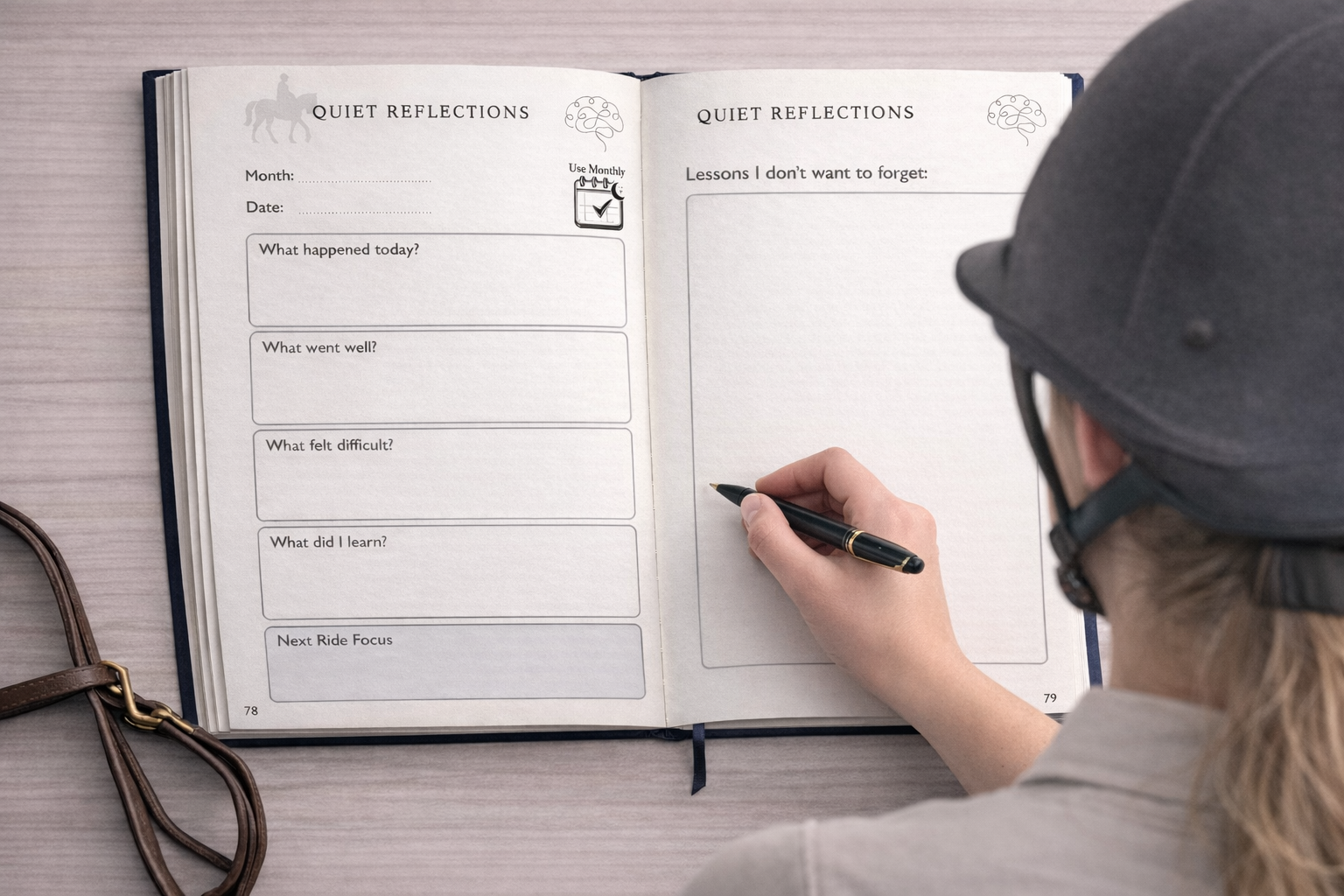
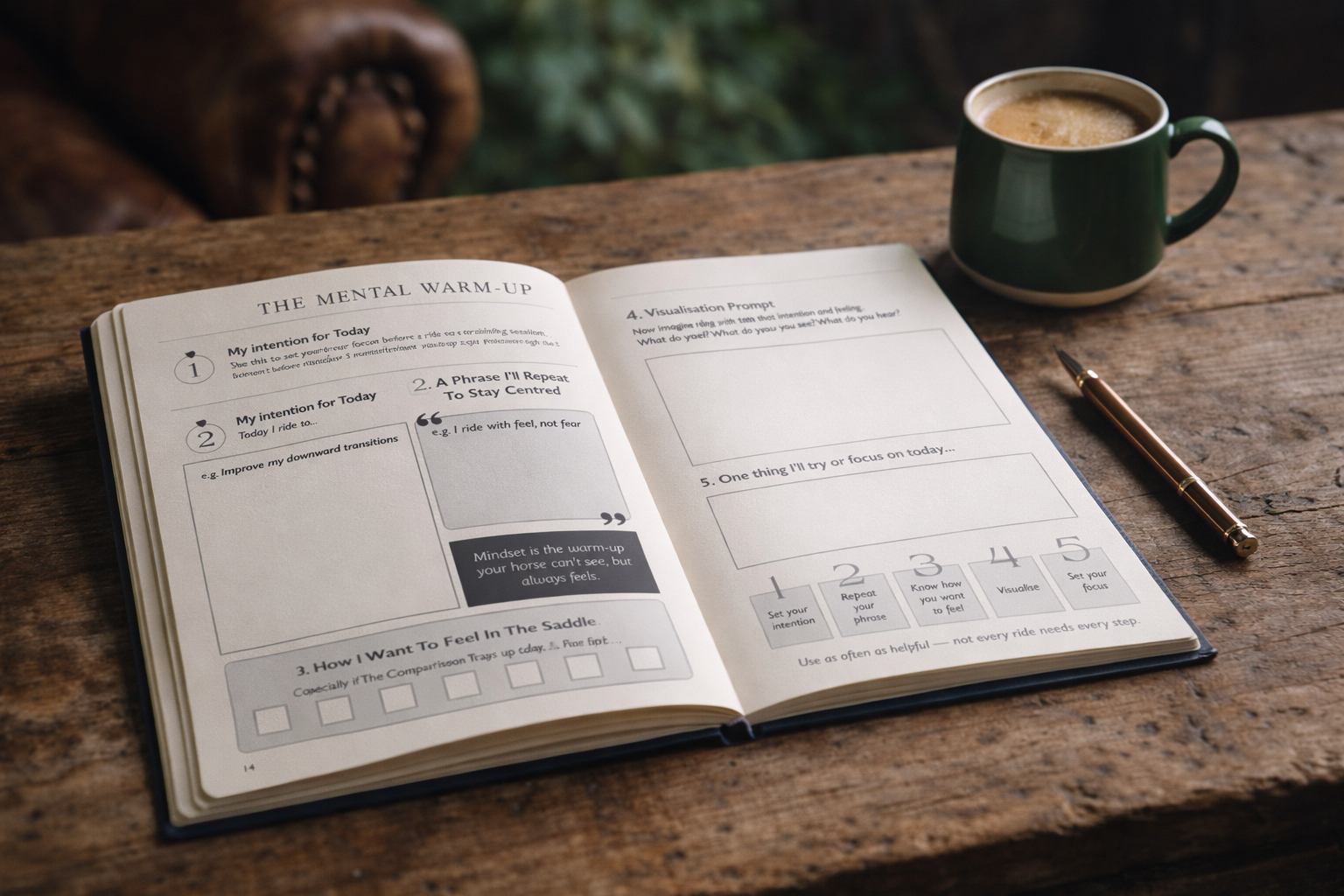
One of the most powerful ways to rebuild confidence is simply to reflect on your rides.
When riders write down what happened (both the challenges and the small wins) it becomes much easier to see the bigger picture.
Over time, this habit helps you notice patterns:
exercises that are improving
moments of bravery
progress that might otherwise be forgotten
Without reflection, the brain often remembers only the mistakes.
With reflection, the full ride becomes visible.
A Final Thought
Bad rides happen to every rider.
They are not a sign that you are failing.
In many cases, they are simply part of the learning process.
Confidence doesn’t come from riding perfectly.
It comes from learning how to respond when things don’t go perfectly, and choosing to keep riding forward anyway.
Key Takeaways
Bad rides affect confidence because our brains naturally focus on mistakes.
Separating facts from interpretation can help prevent confidence from dropping.
Most rides contain both mistakes and progress.
Taking time to reset emotionally helps you reflect more clearly.
Confidence rebuilds through experience and perspective, not perfection.
You Might Also Find Helpful
• How to Stop Overthinking Your Riding
• Why Horse Riders Replay Mistakes for Days
• The Confidence Myth Most Riders Believe